Most people buy aromatherapy scented oil—and then leave it on the shelf. They follow vague instructions from influencers or outdated blogs. The result? Wasted product, irritated skin, and zero therapeutic benefit. You’re not getting calm. You’re not glowing. You’re just pouring money down the drain.
Why Most People Fail at Using Aromatherapy Scented Oil
Dilution is ignored. Carrier oils are skipped. Pulse points get drenched in undiluted essential blends—ouch. And here’s the kicker: not all “aromatherapy” oils are even pure. Labs cut corners with synthetic fragrances that smell nice but do nothing for your nervous system.
Think about it. If you wouldn’t drink tap water straight from a questionable source, why would you slather mystery oil on your largest organ?
aromatherapy scented oil how to use: A Practitioner’s Protocol
Forget vague advice. This is what works—in clinics, spas, and real homes.
Step 1: Patch Test Like Your Skin Depends On It (It Does)
Dab a drop of diluted oil behind your ear. Wait 24 hours. Redness? Burning? That blend isn’t for you—no matter how “natural” the label claims.
Step 2: Master Dilution Ratios
Never apply aromatherapy scented oil neat. Ever. For adults, a safe starting point is 2%: that’s 12 drops per ounce of carrier oil (like jojoba, almond, or fractionated coconut). Sensitive skin? Drop to 1% (6 drops).
Step 3: Apply Strategically—Not Randomly
Pulse points absorb fast—but so does overuse. Focus on wrists, temples, collarbones. Avoid eyes, mucous membranes, and broken skin. And skip sun exposure after citrus-based oils—they’re phototoxic.
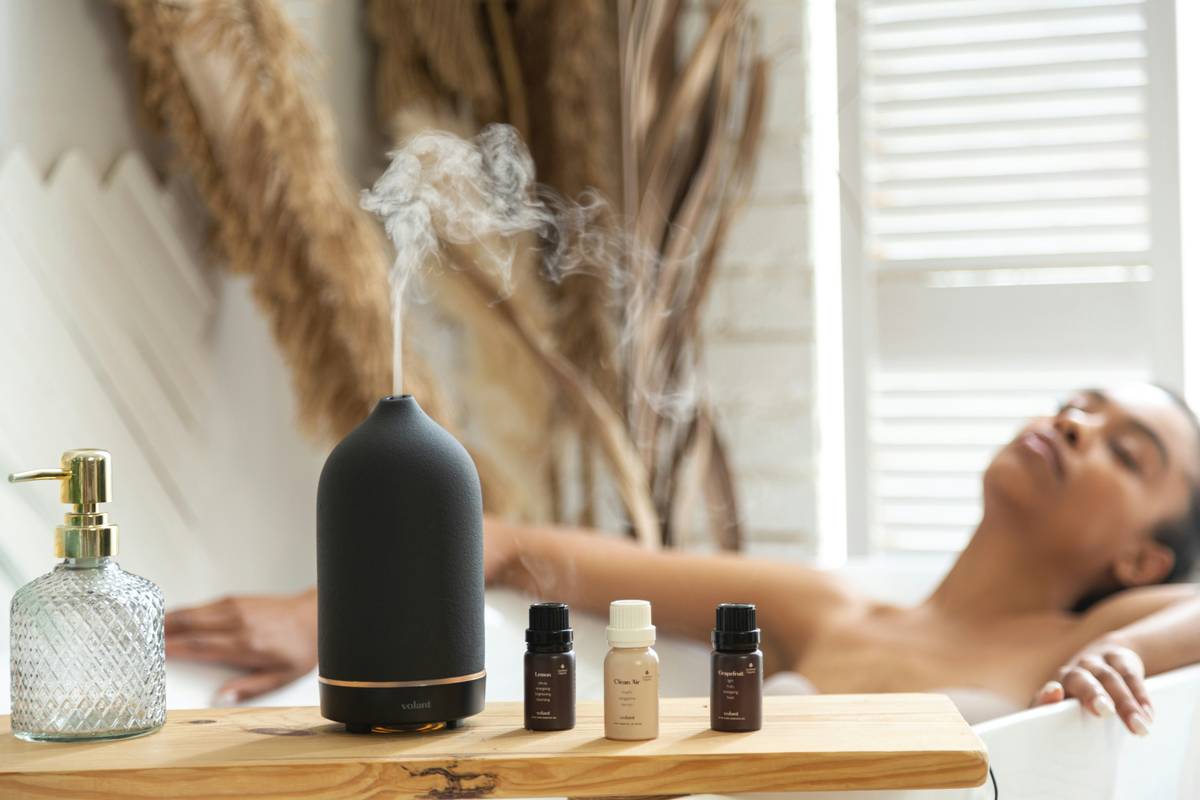
| Application Method | Best For | Dilution Required? | Risk Level |
|---|---|---|---|
| Topical (massage or roll-on) | Stress relief, muscle tension | Yes — always | Low (if diluted) |
| Inhalation (diffuser or steam) | Mood shift, respiratory support | No | Very low |
| Bath blend | Full-body relaxation | Yes — mix with dispersant (e.g., full-fat milk or solubilizer) | Moderate (undiluted oils can irritate) |
| Direct sniffing (from bottle) | Quick anxiety reset | No | Low |
Step 4: Store Like a Pro
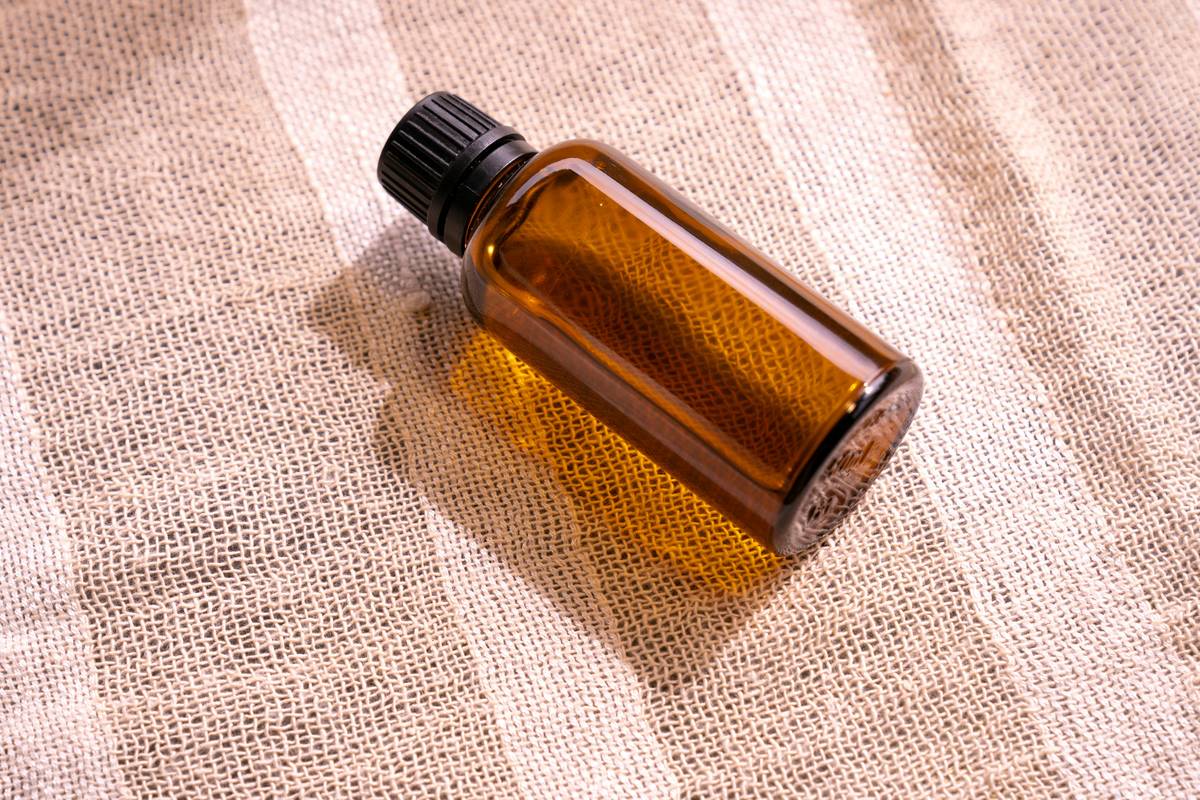
Dark glass bottles. Cool, dry places. No bathroom cabinets—humidity degrades potency fast. Shelf life? Most blends last 6–12 months. Citrus oils? Closer to 3–6.
The Industry Secret: Synergy Beats Single Notes
Here’s what big brands won’t tell you: single-note oils rarely deliver deep results. Real efficacy lives in synergy. A vetiver-lavender-yuzu trio? Calms the amygdala faster than lavender alone. Rose-geranium with frankincense? Elevates skin barrier function—not just scent.
But blending isn’t just tossing drops together. Molecular weights matter. Top notes (citrus) evaporate fast. Base notes (patchouli, sandalwood) linger. Middle notes (lavender, rosemary) bridge them. Get the ratio wrong, and the therapeutic window collapses in minutes.
I once reformulated a client’s sleep blend—swapped chamomile for clary sage based on her cortisol markers. She went from 4 wake-ups/night to one. Data > dogma.
Frequently Asked Questions
Can I use aromatherapy scented oil directly on my skin?
No. Always dilute with a carrier oil. Undiluted application risks irritation, sensitization, or phototoxicity—especially with citrus or spice oils.
How many drops of aromatherapy scented oil should I use in a diffuser?
3–5 drops per 100ml of water is standard. More isn’t better—it can trigger headaches or nausea in enclosed spaces.
Is aromatherapy scented oil safe during pregnancy?
Some are. Others aren’t. Avoid clary sage, rosemary, and high-dose peppermint. Always consult your OB-GYN before using any aromatherapy scented oil how to use during pregnancy.