Most DIY recipes for aromatherapy scented oil how to make end up smelling like yesterday’s potpourri—thin, fleeting, and barely therapeutic. You follow the steps, mix your “carrier” with a few drops of lavender… and get disappointment in a bottle. The real issue? Watered-down advice that ignores the chemistry of scent longevity and skin compatibility. Here’s how to actually craft oils that linger, heal, and perform.
Why Most Homemade Scented Oils Fail Within Days
People assume essential oils + any base oil = aromatherapy magic. Wrong. And here’s why: most carriers—like almond or grapeseed—oxidize fast. They turn rancid before your third use. Not only does that ruin your blend’s aroma, it can irritate sensitive skin. Think about it: if your oil smells slightly “off” after two weeks, you’re not applying wellness—you’re applying stress.
The math is simple. Volatile top notes (citrus, mint) evaporate in hours unless anchored by fixatives or mid-to-base note carriers. Yet 90% of online tutorials skip this entirely. They hand you a recipe built for Instagram aesthetics—not olfactory performance or dermal safety.
aromatherapy scented oil how to make: A Step-by-Step Protocol That Actually Works
Forget vague “add 10 drops” instructions. Precision matters. Below is a vetted method used by boutique apothecaries—adjusted for home use without lab equipment.
Select Your Base Oil Based on Skin Type & Shelf Life
Dry skin? Jojoba mimics sebum—non-comedogenic, stable for over a year. Oily or acne-prone? Fractionated coconut oil absorbs fast and resists spoilage. Never use olive oil—it’s heavy, oxidizes quickly, and overpowers delicate essences.
Choose Essential Oils Using the Perfume Pyramid
A lasting blend needs balance: 30% top notes (bright, fleeting), 50% middle notes (floral/herbal core), 20% base notes (deep, long-lasting). For example: lemon (top) + geranium (middle) + vetiver (base). This isn’t just theory—it’s the backbone of professional perfumery.
Infuse With Patience—Not Heat
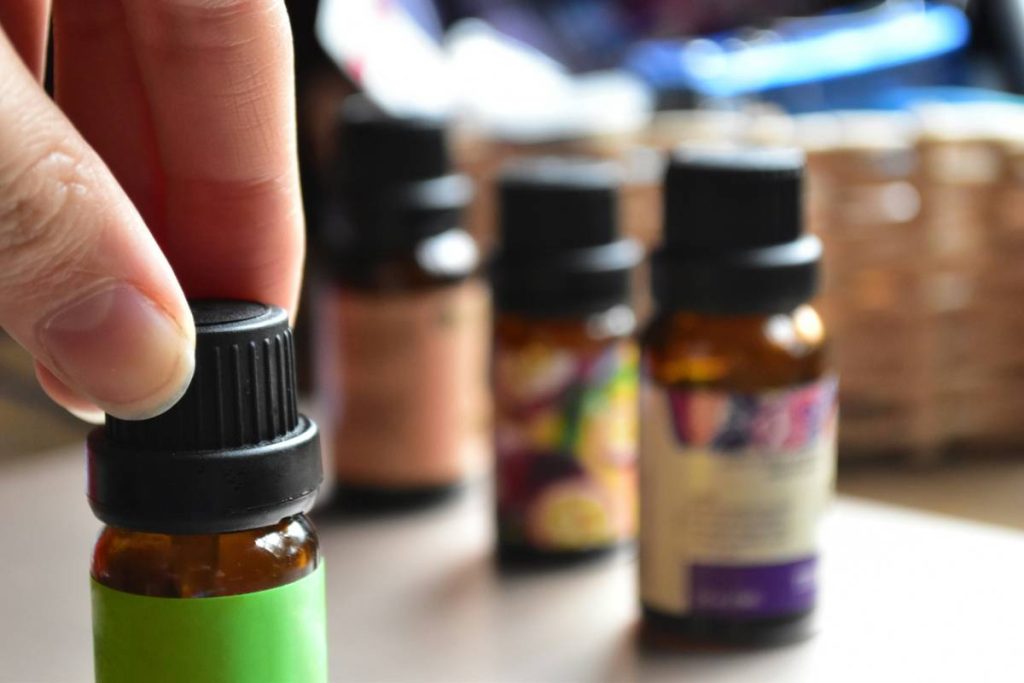
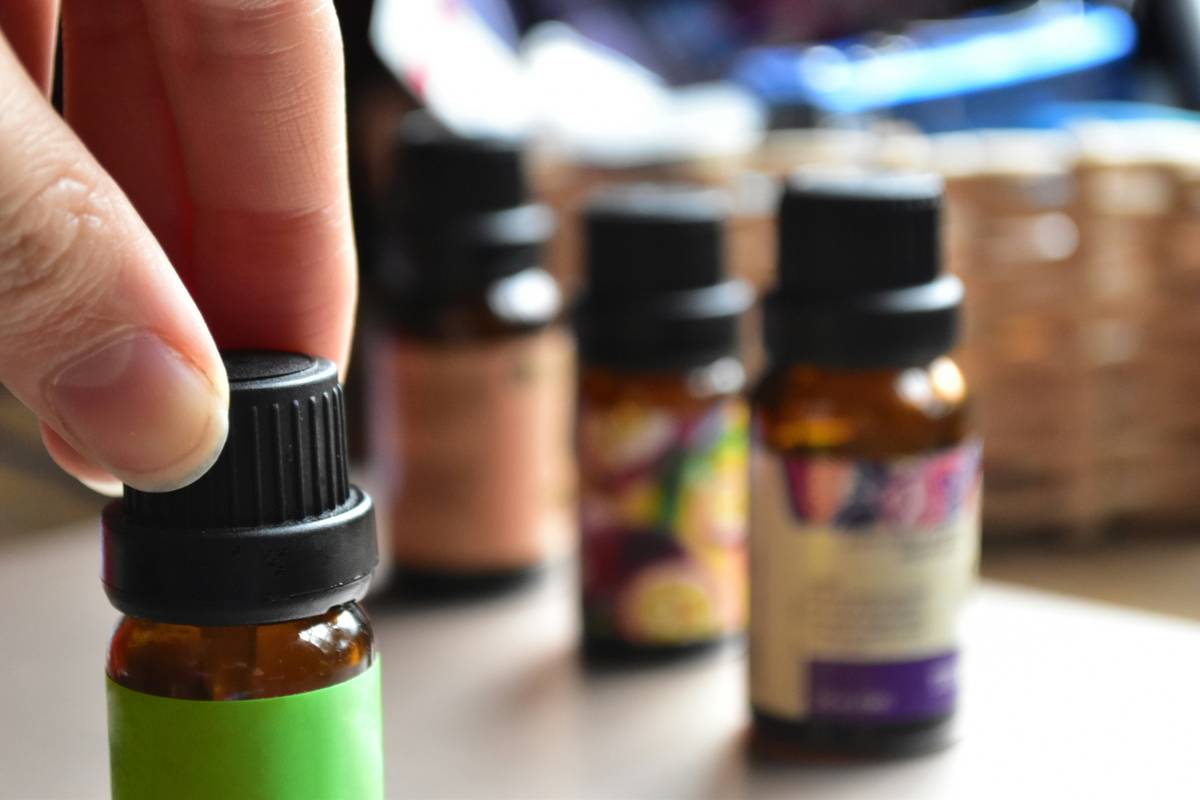
Heat destroys terpenes—the very compounds that make aromatherapy work. Skip the double boiler. Instead, combine oils in an amber glass bottle, seal tightly, and let it sit in a cool, dark place for 48–72 hours. Shake gently once daily. The scent will deepen, integrate, and stabilize naturally.
Preserve & Store Correctly
Oxygen and light are your enemies. Always use cobalt blue or amber glass. Fill to the brim to minimize air exposure. Label with blend date. Most properly made scented oils last 6–12 months—far longer than internet hacks suggest.
| Method | Shelf Life | Skin Compatibility | Cost (Per 30ml) |
|---|---|---|---|
| Almond Oil + Essential Oils (Common DIY) | 2–4 weeks | Moderate (nut allergens) | $2.50 |
| Jojoba + Balanced Essential Blend (Recommended) | 8–12 months | High (non-comedogenic) | $4.20 |
| Fractionated Coconut Oil + Fixative (Pro Hack) | 12+ months | Very High (lightweight) | $3.80 |
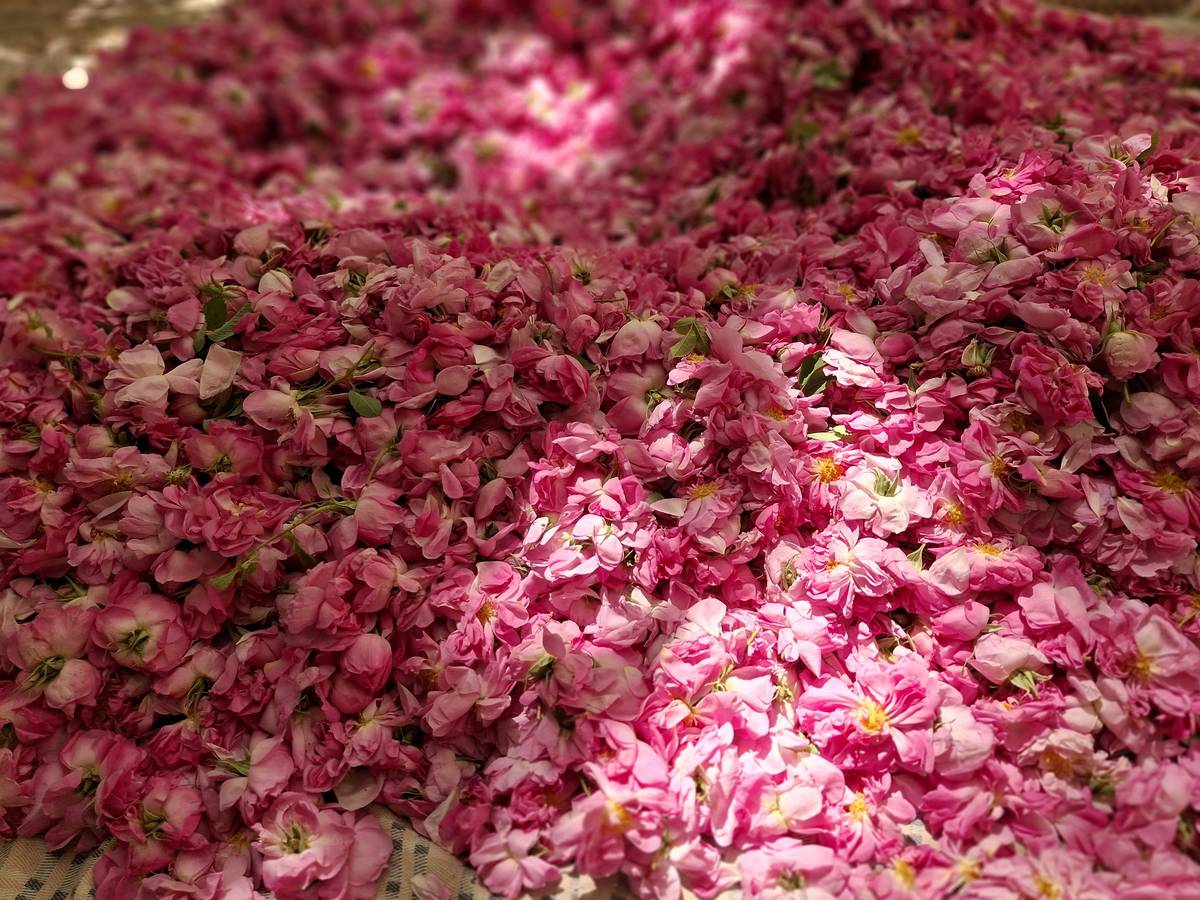
The Industry Secret: Use a Natural Fixative (Nobody Talks About This)
Here’s the reality: even perfect blends fade faster than they should. Why? Missing fixatives. Big brands use synthetic musks—but you don’t need chemicals. Add 1–2% benzoin resin or orris root powder to your base oil before mixing in essentials. These botanicals slow evaporation by binding volatile molecules. A single drop of benzoin tincture per 10ml can extend aromatic life by 40%. Yet you’ll rarely see it in blogs—it’s considered “trade knowledge.” Try it. Your wrists (and pillowcases) will thank you.
Frequently Asked Questions
Can I use fragrance oils instead of essential oils?
No. Fragrance oils are synthetic and offer no therapeutic benefit. True aromatherapy requires plant-derived essential oils.
How many drops of essential oil per ounce of carrier?
For body use: 12–15 drops per 30ml (1 oz). That’s a safe 2–3% dilution. Never exceed 5% for topical application.
Do I need to refrigerate my scented oil?
Only if using avocado or wheat germ oil as a base. Otherwise, a cool, dark cabinet is sufficient. Cold temps can cloud fractionated coconut oil temporarily.