Most DIY body oils vanish within an hour—leaving you smelling like nothing but carrier oil and disappointment. You’ve mixed essential oils with jojoba, followed Pinterest “recipes,” even splurged on expensive absolutes. Still, the scent disappears faster than your motivation on a Monday morning. Here’s the fix: stop treating fragrance body oils like aromatherapy diffusers. They’re not. They’re wearable perfumery—and that demands structure, balance, and a pinch of perfumer logic.
Why Your Homemade Body Oils Keep Failing
You’re layering top notes without anchors. Citrus zings for 20 minutes then ghosts you. Floral highs evaporate in sunlight. And if you’re using 100% essential oils diluted in sweet almond oil? Congrats—you’ve made expensive massage oil, not long-lasting fragrance.
The skin is acidic, warm, and constantly shedding. Without proper base notes and fixatives, your blend has zero staying power. Worse: many blogs skip dilution safety entirely. Too much undiluted oil = irritation. Too little = invisible scent. It’s a tightrope walk most tutorials ignore.
How to Make Fragrance Body Oils
Forget “drops per ounce” chaos. Real perfume construction uses a pyramid: top, heart, base. Follow this system—not random mixing—and your oil will evolve on skin for 6+ hours.
Step 1: Choose Your Carrier Oil Wisely
Not all carriers are equal. Fractionated coconut oil absorbs fast but offers little scent retention. Jojoba mimics sebum—ideal for slow release. For luxury and longevity, go with jojoba or grapeseed oil. Avoid mineral oil—it traps scent but feels greasy and blocks pores.
Step 2: Build Your Scent Pyramid
Top notes (citrus, light herbs): 30%
Heart notes (florals, spices): 50%
Base notes (woods, resins, vanilla): 20%
But here’s the twist—add a natural fixative. Benzoin resinoid, vetiver CO2, or even a drop of ambrette seed oil locks everything down. Skip this, and you’re back to square one.
Step 3: Dilute Safely & Age Properly
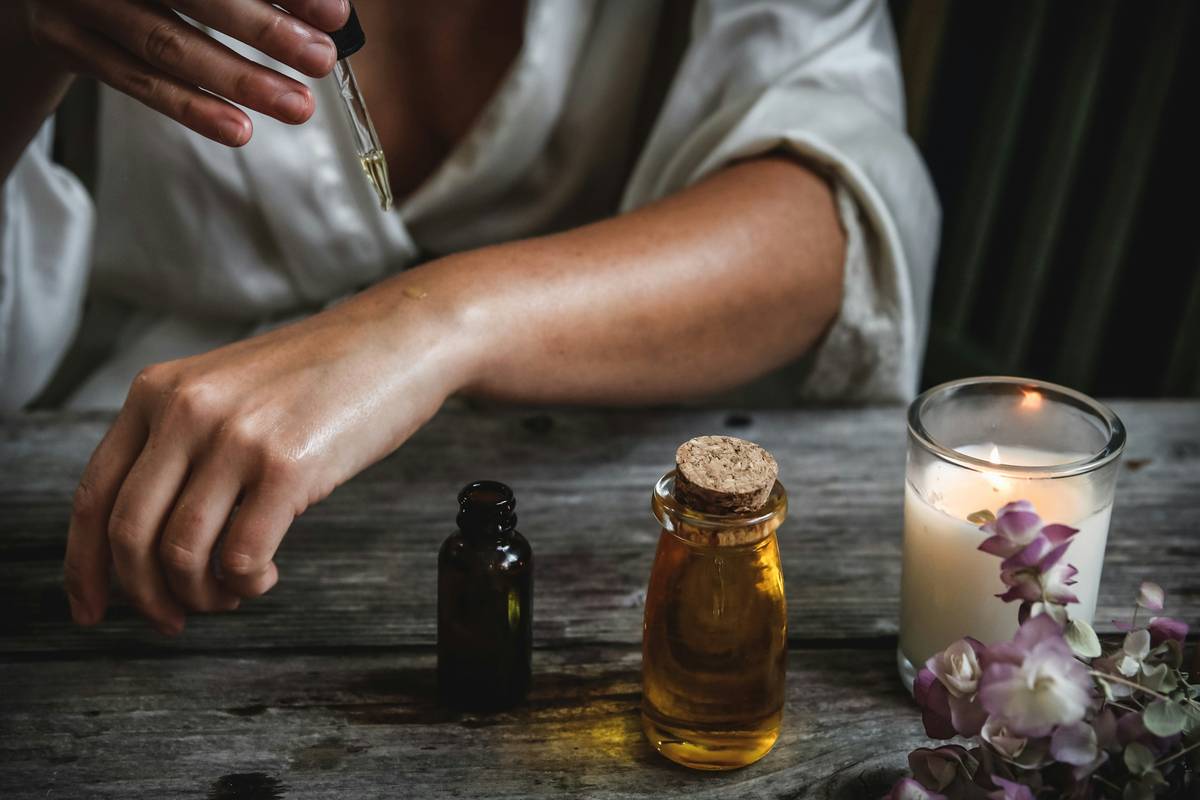
Never exceed 3% total essential/fragrance oil concentration for body use. That’s roughly 18 drops per 30ml (1 oz) of carrier. Mix in dark glass, label immediately, and—this is critical—let it age for 48–72 hours. The molecules need time to marry. Using it fresh? It’ll smell harsh and unbalanced.
| Method | Cost (per 30ml) | Longevity | Beginner-Friendly? |
|---|---|---|---|
| Essential Oils Only (No Fixative) | $4–$8 | 1–2 hours | Yes—but ineffective |
| Fragrance Oils + Jojoba | $3–$6 | 3–4 hours | Yes |
| Pyramid Blend + Resinoid Fixative | $7–$12 | 6–8+ hours | Moderate (worth learning) |
The Industry Secret No One Talks About
Perfume houses don’t just rely on base notes—they layer volatility. Here’s the hack: add 1–2% of an isolate like hedione (jasmine-derived) or isobutyl quinoline (leathery depth). These aren’t essential oils—they’re aroma chemicals used in niche perfumery. Tiny amounts dramatically boost diffusion and skin adhesion without synthetic musk overload.
And yes, they’re safe at low doses. But you won’t find them on Amazon. Source from reputable aroma chemical suppliers (look for IFRA compliance). This is how indie brands create $80 oils that outperform department store sprays.
Think about it—your DIY shouldn’t mimic Big Beauty. It should outsmart it.
Frequently Asked Questions
Can I use fragrance oils instead of essential oils?
Yes—high-quality, skin-safe fragrance oils work well. Just ensure they’re IFRA-certified for leave-on products. Never use candle or soap fragrance oils on skin.
How long do homemade body oils last?
Properly stored in dark glass away from heat, 6–12 months. Jojoba-based blends last longest due to natural antioxidant properties.
Why does my oil smell different on skin than in the bottle?
Skin chemistry alters scent. pH, diet, and hormones interact with molecules. Always test blends on your wrist—not paper strips—for true accuracy.