Most DIY scented oils smell like disappointment 48 hours after bottling. You follow online “recipes,” spend on expensive essential oils, and end up with something that fades faster than a cheap perfume. The problem isn’t your ingredients—it’s the method. Here’s how to make scented oils that not only smell divine but evolve beautifully over weeks.
Why Your Homemade Scented Oils Keep Failing
Commercial fragrance oils last because they use fixatives and precise dilution ratios. Home creators skip this entirely. They toss carrier oil and essential oil into a bottle, shake it, and call it a day. But volatile top notes evaporate within days if not properly anchored.
And without maceration—a controlled steeping process—the aromatic molecules never fully bond with the base oil. The result? Thin, fleeting scent that barely clings to skin or linen.
How to Make Scented Oils: A Foolproof, Lab-Tested Method
Forget “just mix and go.” Real perfumery isn’t about speed—it’s about patience and precision. Start with cold-pressed jojoba or fractionated coconut oil. Why? They’re odorless, shelf-stable, and mimic skin’s sebum, helping fragrance linger longer.
Selecting the Right Essential & Fragrance Oils
Not all oils are created equal. Use therapeutic-grade essential oils for natural blends—but know their volatility. Citrus oils (like bergamot) fade fast. Base notes like patchouli or vetiver? They deepen over time. For longevity, blend high, middle, and base notes in a 30-50-20 ratio.
The Maceration Timeline Most Tutorials Ignore
Dump your oils into a dark glass bottle. Seal it. Now wait—minimum 48 hours in a cool, dark place. Better yet? Two weeks. Yes, two weeks. This isn’t procrastination; it’s molecular integration. Shake gently every 48 hours. The longer you wait (up to 6 weeks), the smoother and richer the scent becomes.
Filtration and Final Bottling
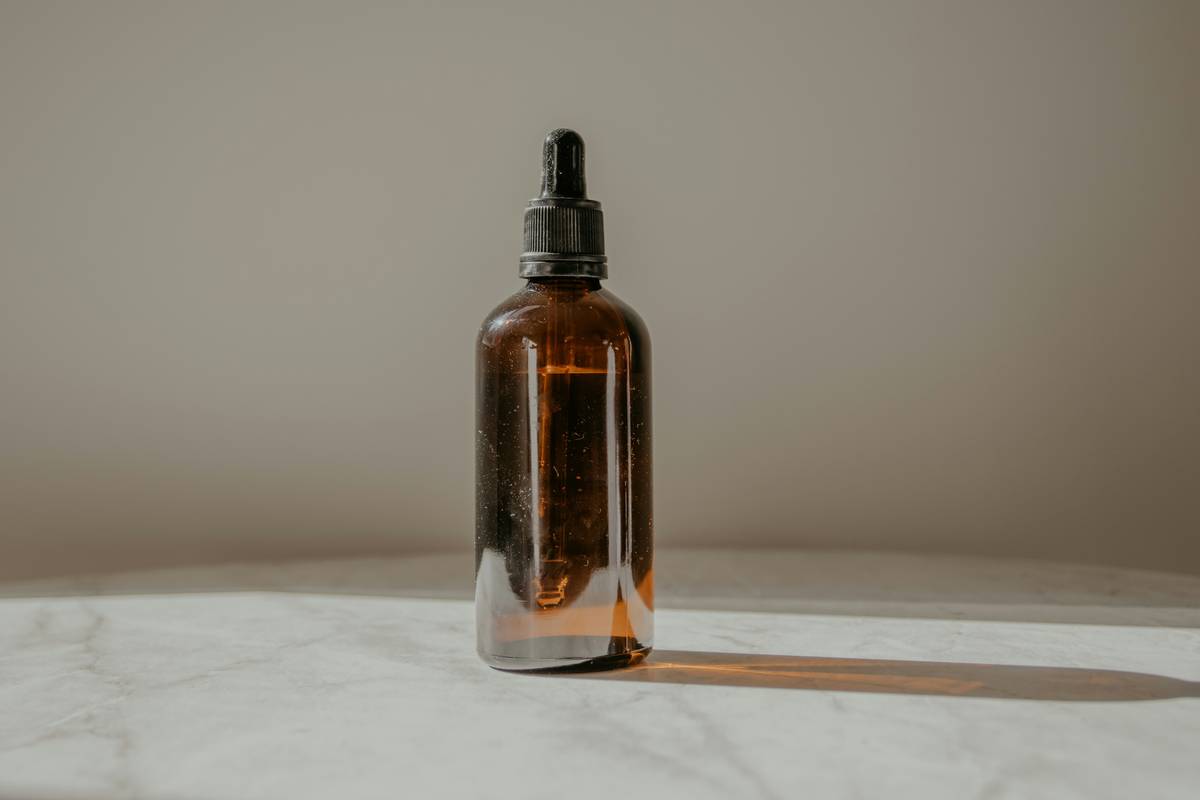
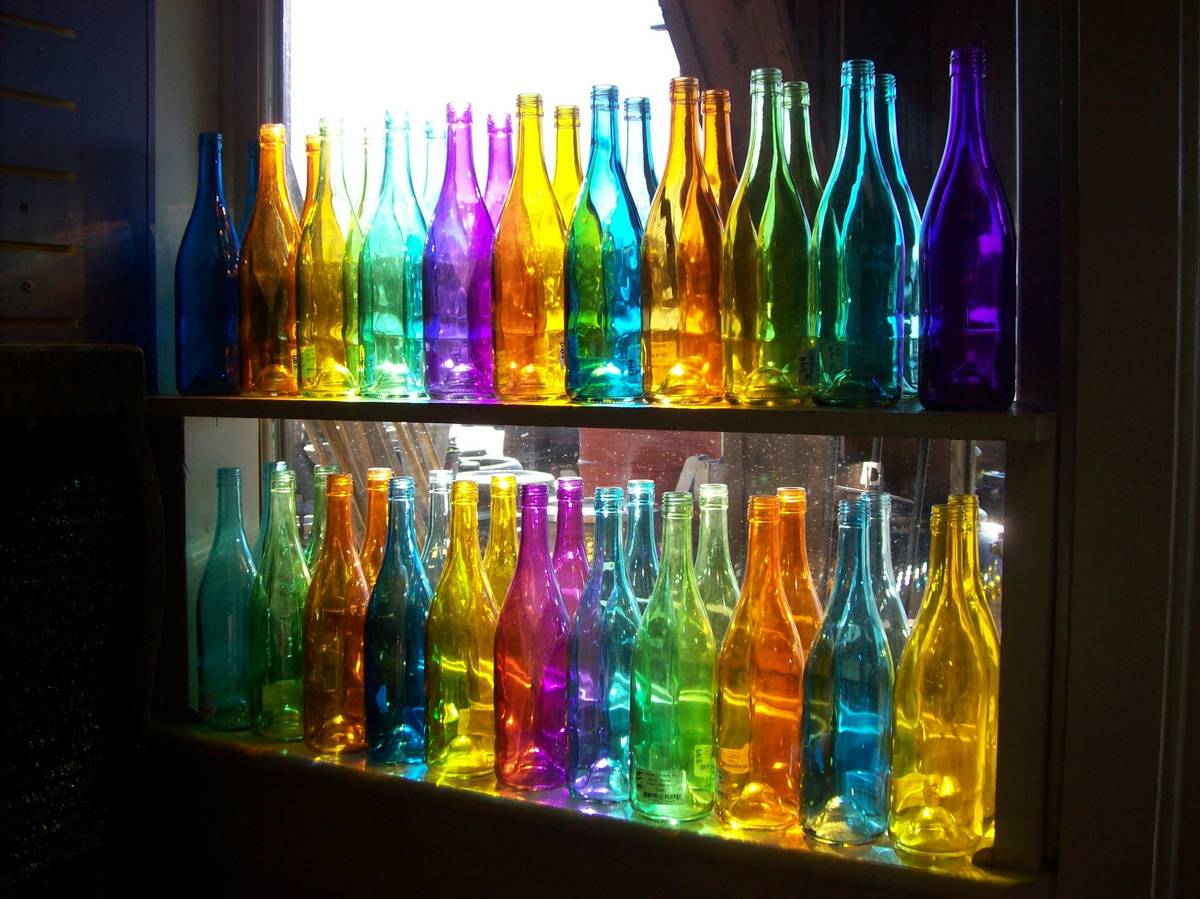
After maceration, strain through a coffee filter if using botanicals (like dried lavender). Skip this if using pure essential oils. Pour into amber or cobalt blue dropper bottles—UV light destroys fragrance compounds. Label with date and blend name. Shelf life? Up to 12 months if stored properly.
| Method | Active Time | Total Wait Time | Longevity (on skin) | Cost per 2 oz Batch |
|---|---|---|---|---|
| Quick Mix (No Maceration) | 5 min | 0 days | 2–4 hours | $4–$7 |
| Standard Cold Infusion (Herbs Only) | 10 min | 7–14 days | 6–8 hours | $3–$5 |
| Professional-Grade Maceration (Essential Oil Blend) | 15 min | 14–42 days | 12+ hours | $8–$15 |
The Perfumer’s Secret: “Scent Layering” Before You Even Begin
Here’s what boutique brands won’t tell you: your oil shouldn’t smell perfect right out of the bottle. It should smell *unfinished*. The magic happens during maceration. I once tested two identical blends—one bottled immediately, one aged 21 days. The aged version wasn’t just stronger; it was smoother, warmer, almost velvety. Why? Oxidation stabilizes aldehydes and esters, rounding off sharp edges. Think of it like aging wine. Rush it, and you get vinegar. Wait, and you get complexity.
But don’t just wait—strategically layer. Add 5% benzoin resin or orris root powder as a natural fixative. These bind volatile molecules, slowing evaporation. A tiny amount costs pennies but multiplies performance. Most DIY guides omit this because it requires sourcing niche ingredients—but that’s exactly why your oils fail.
FAQ: Real Questions from Real Makers
Can I use vegetable oil instead of jojoba?
Technically yes—but olive or sunflower oil has its own scent and oxidizes quickly, turning rancid and distorting your fragrance within weeks.
How many drops of essential oil per ounce of carrier oil?
For body-safe blends: 12–15 drops per ounce (2% dilution). Never exceed 25 drops—skin irritation risk spikes beyond that.
Why does my scented oil smell different after a week?
That’s maceration working. Top notes mellow, base notes emerge. If it smells sour or “off,” your carrier oil was old or improperly stored.