You bought that gorgeous amber bottle of scented oil because the label promised “aromatherapy-grade luxury.” But now it’s just… sitting on your dresser. You’ve tried dabbing it behind your ears, tossing it in the diffuser, even mixing it into lotion—but nothing feels quite right. The scent fades fast or clashes with your space. Here’s the truth: most people misuse scented oils entirely. And that’s why you’re not getting the mood-lifting, skin-loving, home-transforming results you paid for.
Why Most People Get Scented Oils Wrong
Scented oils aren’t perfume. They aren’t essential oils either. Yet marketers blur those lines—and consumers pay the price (literally). You end up applying undiluted formulas to pulse points, burning them in cheap ultrasonic diffusers, or worse—dumping them into hot baths without a carrier. Skin irritation. Weak diffusion. Wasted product. All avoidable. The real issue? Confusing fragrance concentration with therapeutic potency. A high-perfume oil smells intense but won’t behave like lavender essential oil in a steam room. Know what you own before you use it.
How to Use Scented Oils: A No-BS Step-by-Step Guide
First—read the label. Is it labeled “fragrance oil,” “perfume oil,” or “aroma oil”? That tells you everything. Perfume oils are body-safe when diluted; fragrance oils are strictly for ambient use. Never ingest. Never apply undiluted unless it’s formulated for skin. Got it? Good. Now, match your method to your goal.
Pulse Point Application (For Skin-Safe Perfume Oils)
Dab—not rub—onto inner wrists, behind ears, or collarbones. Rubbing breaks down top notes. Use a carrier like jojoba if your skin is sensitive. One drop per pulse point is plenty. Less truly is more with concentrated oils.
Home Diffusion (For Non-Skin-Safe Fragrance Oils)
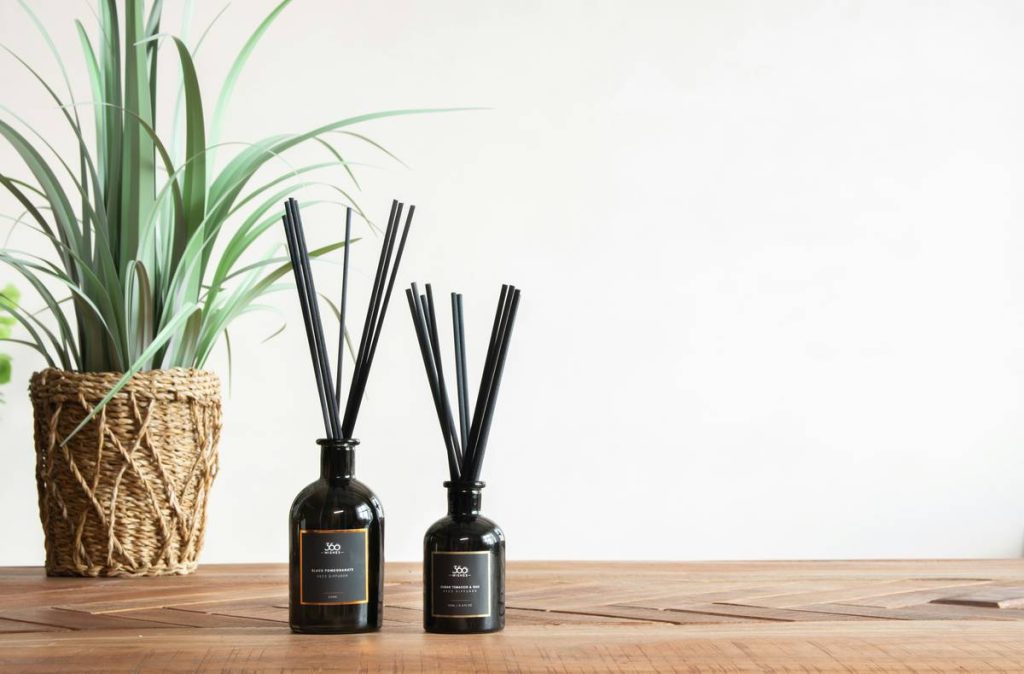
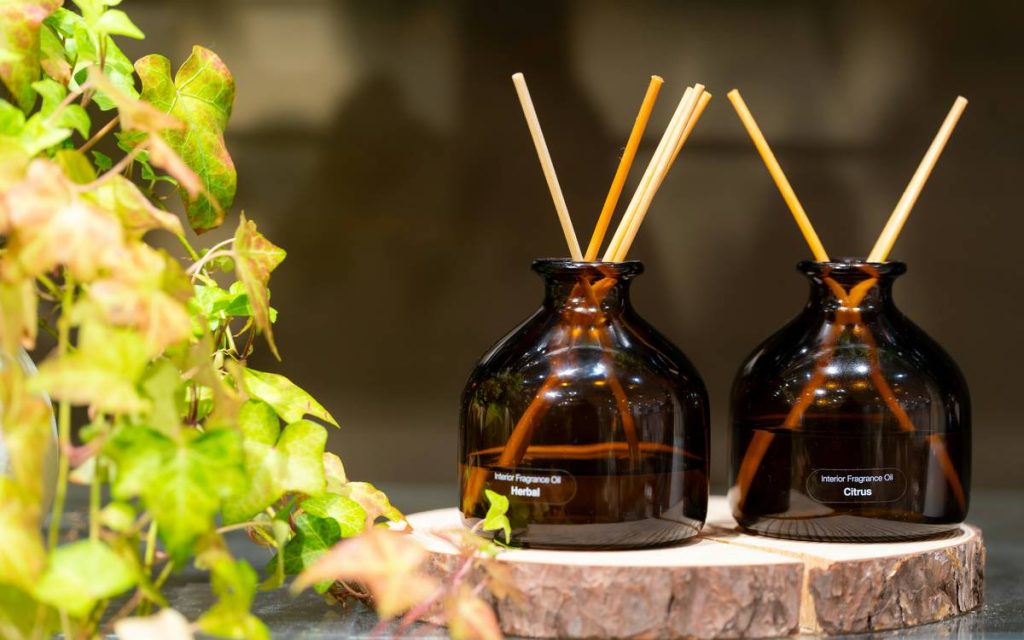
Use reed diffusers or ceramic warmers—not water-based ultrasonic units. Water dilutes oil-based fragrances and can corrode plastic tanks. Reed sticks in a glass vessel with 50–75ml base oil give consistent scent throw for 4–6 weeks. Flip reeds weekly.
Bath & Body Blending
Never pour straight into bathwater—it’ll sit on the surface and irritate skin. Mix 5–8 drops with 1 tbsp full-fat milk, honey, or unscented bath oil first. Then swirl into running water. For body oil blends, keep fragrance oil under 2% of total volume.
| Method | Best Oil Type | Longevity | Risk Level |
|---|---|---|---|
| Pulse Point Dabbing | Perfume Oil (skin-safe) | 4–8 hours | Low (if diluted) |
| Reed Diffuser | Fragrance Oil | 4–6 weeks | None |
| Bath Blend | Perfume or Fragrance Oil* | 30–60 minutes | Moderate (must emulsify) |
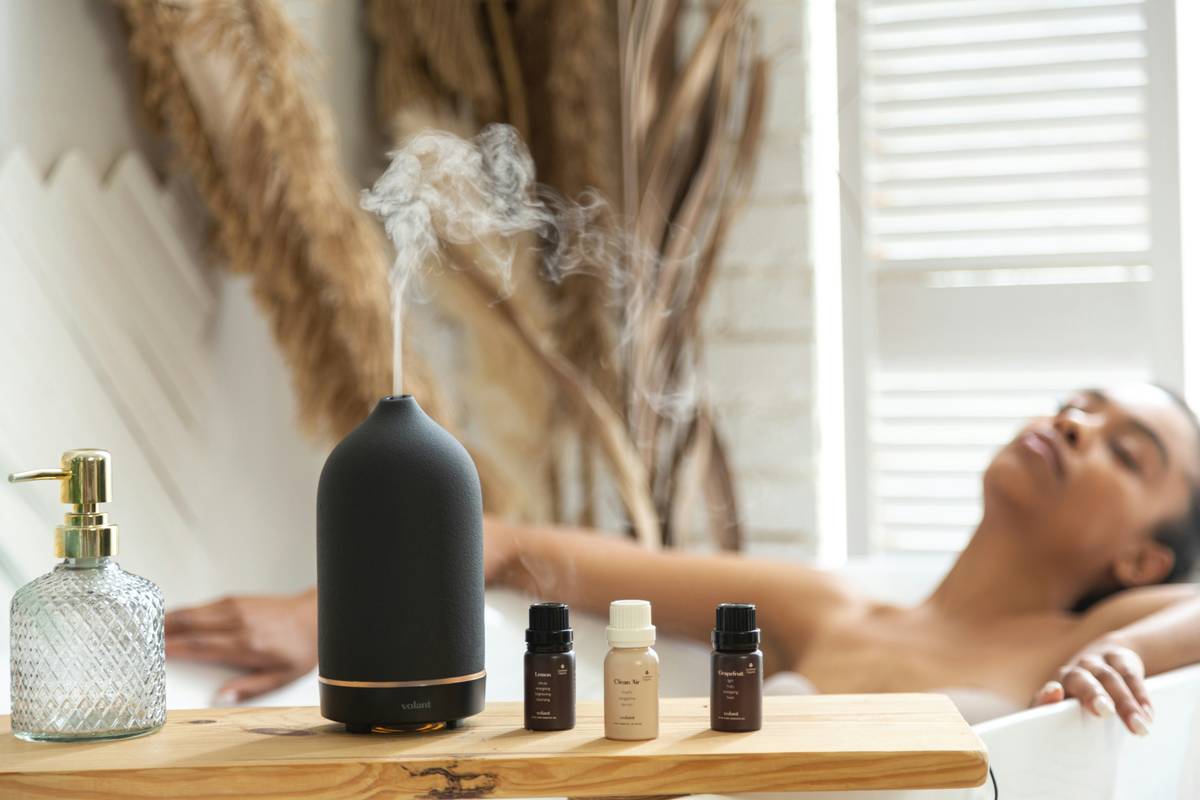
| Ultrasonic Diffuser | ❌ Avoid | Poor performance | High (damages unit) |
*Only if skin-safe and properly mixed with emulsifier.
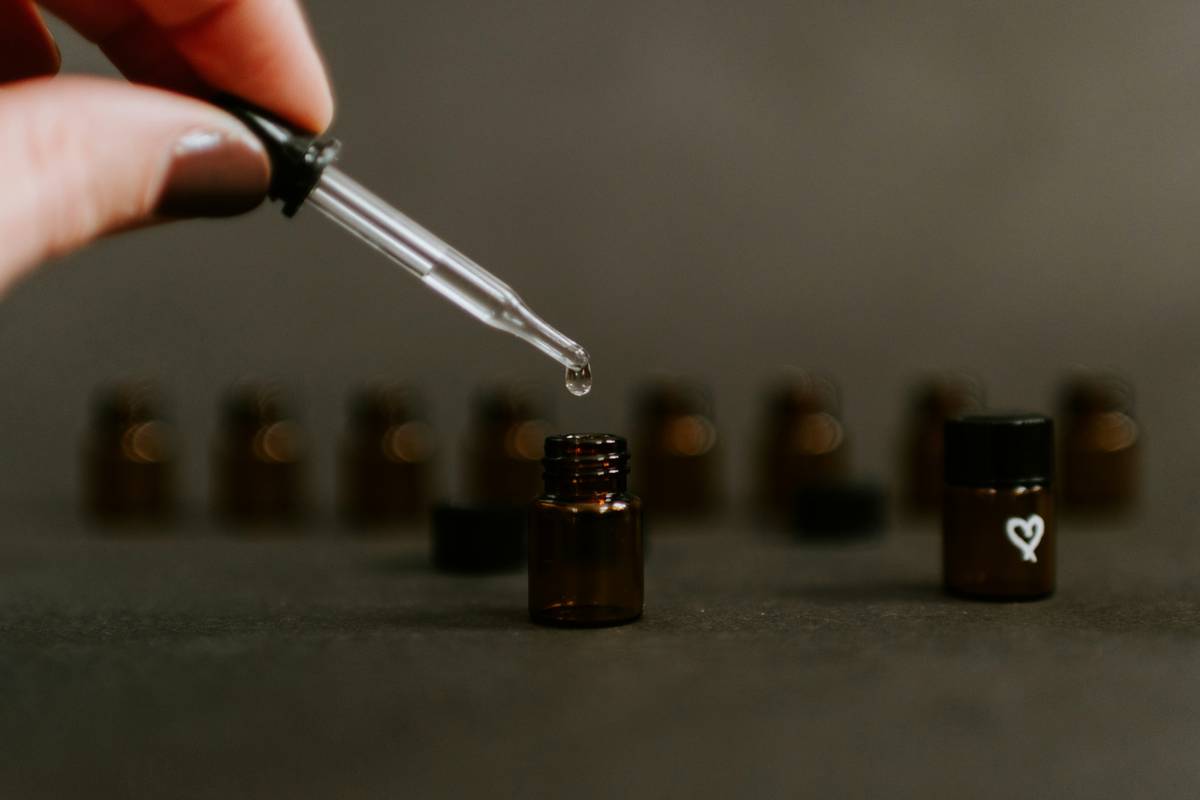
The Industry Secret: Layer Scents by Molecular Weight
Here’s what boutique brands won’t tell you: scented oils work best when layered like fine perfumery—not dumped randomly. Top notes (citrus, light florals) evaporate fast. Base notes (amber, musk, sandalwood) linger. So—if you’re using scented oil in your bedroom, skip the lemon verbena alone. Blend it with a touch of vanilla or patchouli oil in your diffuser base. The citrus lifts your mood on entry; the base note lingers while you sleep. The math is simple: volatile molecules need anchors. Try it once—you’ll never go back to single-note diffusion.
FAQ: People Also Ask
Can I use scented oils directly on my skin?
No—unless the product explicitly states it’s formulated for topical use. Most “scented oils” are fragrance oils meant for candles or diffusers and can cause irritation.
How many drops of scented oil should I use in a diffuser?
For reed diffusers: 20–30 drops per 100ml of base oil. For ceramic warmers: 3–5 drops max. More isn’t stronger—it’s just overwhelming and wasteful.
Do scented oils expire?
Yes. Most last 1–2 years unopened, 6–12 months after opening. Store in cool, dark places. If the scent turns sharp or vinegary, toss it.