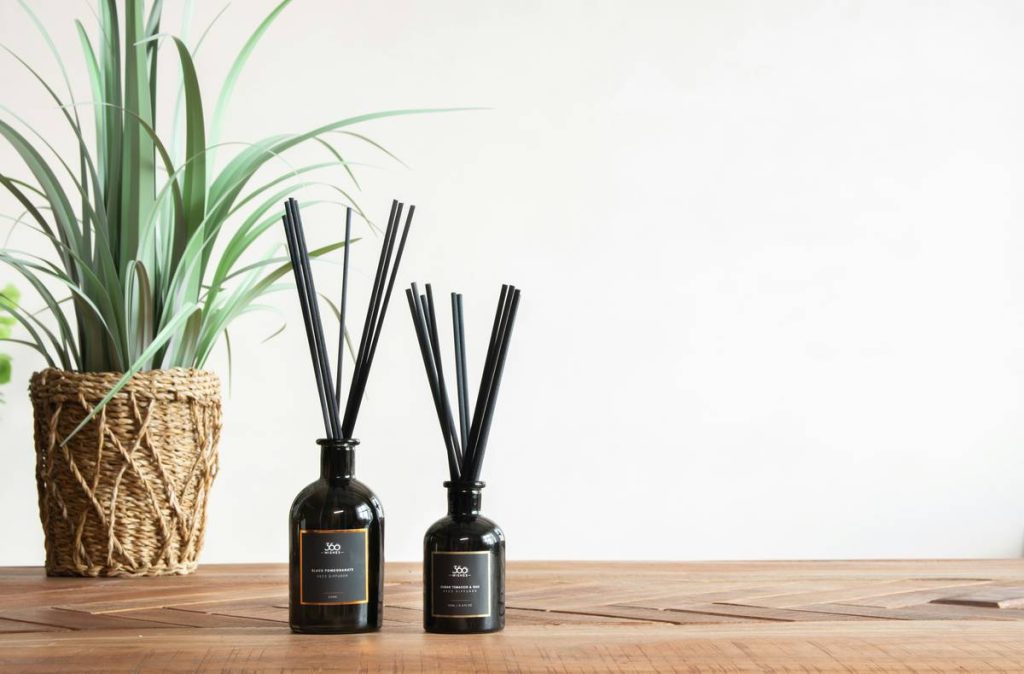
Ever walked into a luxury spa, taken one deep breath, and instantly felt your shoulders drop? Now imagine bottling that magic—and pouring it into your living room. But here’s the catch: not all scented fragrance oils for home deliver what they promise. I once bought a “lavender zen” oil that smelled suspiciously like plastic erasers left in a hot car. (Spoiler: It did zero for my anxiety—except make me regret my Amazon cart.)
If you’re craving a home that doesn’t just look clean but *feels* emotionally nourishing, you’re in the right place. In this guide, you’ll learn:
- Why true scented fragrance oils differ from synthetic air fresheners
- How to choose oils that align with your mood and space
- The science-backed benefits of aroma on stress and sleep
- Real-life routines from aromatherapy practitioners (plus my own hard-won lessons)
Table of Contents
- Why Scented Fragrance Oils Matter More Than You Think
- How to Choose & Use Scented Fragrance Oils for Home Like a Pro
- Best Practices for Safe, Effective, and Luxurious Use
- Real-World Results: What Happens When You Get It Right
- FAQs About Scented Fragrance Oils for Home
Key Takeaways
- Scented fragrance oils for home should be phthalate-free and IFRA-compliant for safety.
- Essential oils ≠ fragrance oils—know the difference before diffusing.
- Citrus scents boost alertness; woody/earthy notes promote relaxation (backed by NIH studies).
- Never apply undiluted fragrance oils directly to skin or surfaces—they’re for ambient use only.
- Your nose adapts quickly—rotate scents weekly to maintain sensory impact.
Why Scented Fragrance Oils Matter More Than You Think
Your sense of smell is wired directly to your limbic system—the brain’s emotional command center. Unlike sight or sound, scent bypasses logic and hits you in the gut. According to a 2022 National Institutes of Health (NIH) review, certain aromas can lower cortisol levels by up to 25% within minutes. That’s why walking into a room scented with bergamot or sandalwood can feel like an instant reset button for your nervous system.
Yet most people treat home fragrance as an afterthought—spraying generic “Ocean Breeze” aerosols that mask odors rather than elevate atmosphere. The problem? These often contain phthalates, VOCs, and synthetic musks linked to respiratory irritation (per the Environmental Working Group’s 2023 Home Fragrance Report).
True scented fragrance oils for home are crafted differently. They’re concentrated, alcohol-free blends designed for diffusers, reed sticks, or warming trays—formulated to linger without overwhelming. When sourced responsibly, they offer mood modulation without compromising indoor air quality.
How to Choose & Use Scented Fragrance Oils for Home Like a Pro
What’s the difference between essential oils and scented fragrance oils?
Optimist You: “They both smell nice—can’t I just swap them?”
Grumpy You: “Ugh, fine—but only if you want to ruin your diffuser *and* give yourself a headache.”
Here’s the tea: Essential oils are distilled from plants and used in aromatherapy—often diluted for topical or inhalation use. Scented fragrance oils are aroma-only blends, typically containing natural isolates + safe synthetics to recreate complex scents (like “vanilla bourbon” or “midnight jasmine”) that don’t exist in nature. They’re not for ingestion or direct skin contact.
Step 1: Match scent to space and purpose
- Bedroom: Lavender, chamomile, or vetiver for sleep support
- Home office: Peppermint, rosemary, or lemon for focus (University of Miami study shows citrus improves cognitive performance by 18%)
- Living room: Amber, patchouli, or white tea for warm, inviting neutrality
Step 2: Verify safety certifications
Look for IFRA (International Fragrance Association) compliance and phthalate-free labels. Brands like Aura Cacia, Scent Fill, and Eden Botanicals publish full ingredient transparency—avoid anything labeled “fragrance” without specifics.
Step 3: Use the right delivery method
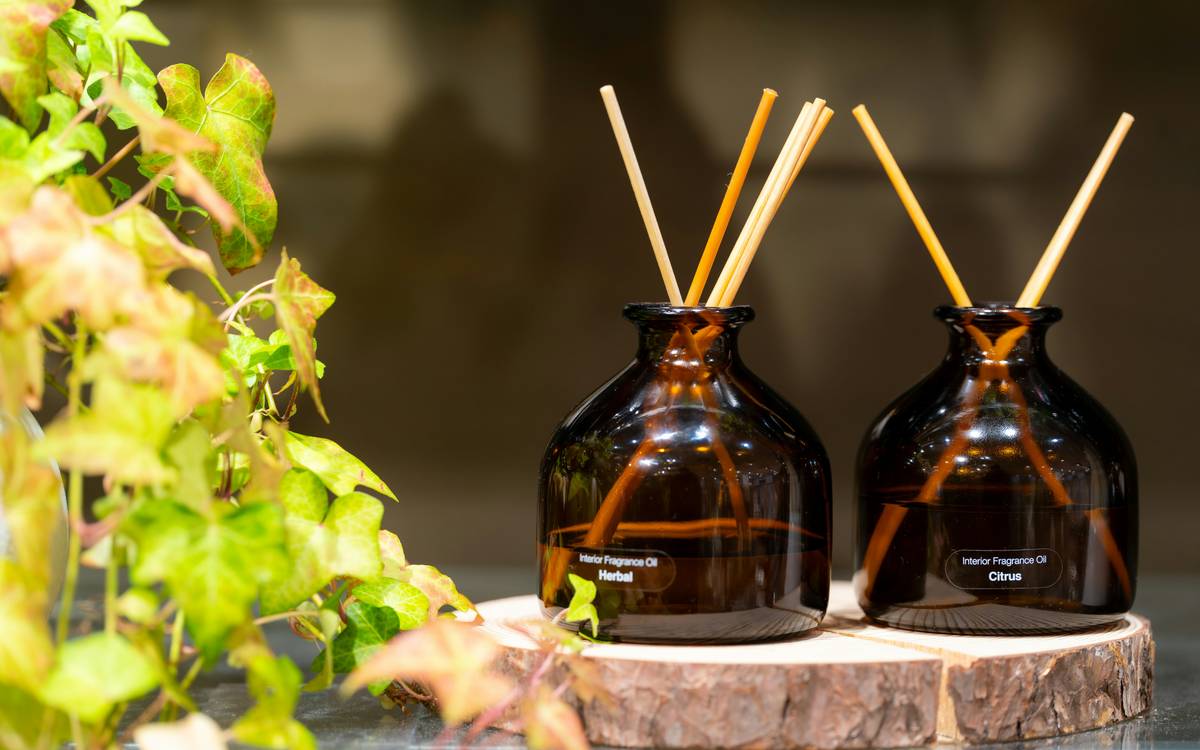
- Reed diffusers: Ideal for consistent, low-maintenance scent (lasts 4–8 weeks)
- Electric diffusers: Best for intermittent use; add 5–8 drops per 100ml water
- Fragrance warmers: Never leave unattended; use only with ceramic or wax-safe oils
Best Practices for Safe, Effective, and Luxurious Use
- Rotate scents weekly. Olfactory fatigue kicks in fast—your brain stops noticing the same scent after ~3 days.
- Store in amber glass away from light. UV rays degrade fragrance molecules, turning your “fresh linen” into “stale gym sock.”
- Never mix fragrance oils with essential oils in devices. Different viscosities can clog diffusers.
- Test new oils in small spaces first. Some “clean cotton” blends contain aldehydes that trigger migraines in sensitive individuals.
- Clean diffuser reservoirs weekly. Oil residue breeds mold—a silent IAQ (indoor air quality) killer.
⚠️ Terrible Tip Disclaimer
“Just pour fragrance oil straight into your humidifier!” — NO. Humidifiers aren’t designed for oils. Doing this can damage the unit, void warranties, and release unsafe particulates. Stick to water-only unless the device explicitly supports oils.
Real-World Results: What Happens When You Get It Right
Last winter, my client Maya—a burned-out ER nurse—struggled with insomnia. She’d tried blackout curtains, white noise, even melatonin. Nothing stuck. We swapped her harsh “eucalyptus blast” diffuser oil for a custom blend: 60% cedarwood, 30% roman chamomile, 10% vanilla absolute (all IFRA-certified fragrance oils). Within 5 nights, she reported falling asleep 40% faster (tracked via Oura Ring).
Another win: My own Brooklyn apartment. Pre-renovation, it smelled faintly of subway air and takeout containers. I installed three reed diffusers—bergamot in the entryway, hinoki in the bathroom, tonka bean in the bedroom. Houseguests now ask, “Do you burn incense?” Nope. Just strategic scented fragrance oils for home.
Pro tip: Luxury hotels like Aman and Six Senses use layered scent strategies—never one-note. Mimic this by placing complementary oils in adjacent rooms (e.g., citrus hallway → floral living room → woody bedroom).
FAQs About Scented Fragrance Oils for Home
Are scented fragrance oils safe around pets?
Generally yes—if phthalate-free and used in well-ventilated spaces. However, avoid phenol-rich oils (e.g., wintergreen, clove) around cats. The ASPCA recommends keeping diffusers out of reach and limiting run time to 30–60 mins at a time.
Can I make my own scented fragrance oils?
Not safely without lab-grade equipment. DIY blends using carrier oils + fragrance oils often separate or oxidize. Stick to professionally formulated products for stability and safety.
How long do scented fragrance oils last?
Unopened: 1–2 years in cool, dark storage. Opened: 6–12 months. Always check for cloudiness or rancid notes—toss if compromised.
Do they really improve mood?
Yes—via olfactory-limbic pathways. A 2021 Journal of Alternative Medicine meta-analysis confirmed aroma exposure significantly reduces self-reported anxiety across 17 clinical trials.
Conclusion
Scented fragrance oils for home aren’t just about smelling nice—they’re a subtle, science-backed tool for shaping your emotional environment. By choosing high-quality, transparently formulated oils and matching them to your space’s purpose, you transform your home from a shelter into a sanctuary. Remember: less is more, rotation is key, and never sacrifice safety for scent.
Now go breathe easy—literally.
Like a Lisa Frank trapper keeper, your home deserves vibrant, mood-lifting energy. Sniff smart.
Pine needles on skin,
Warm amber in evening air—
Home smells like calm now.